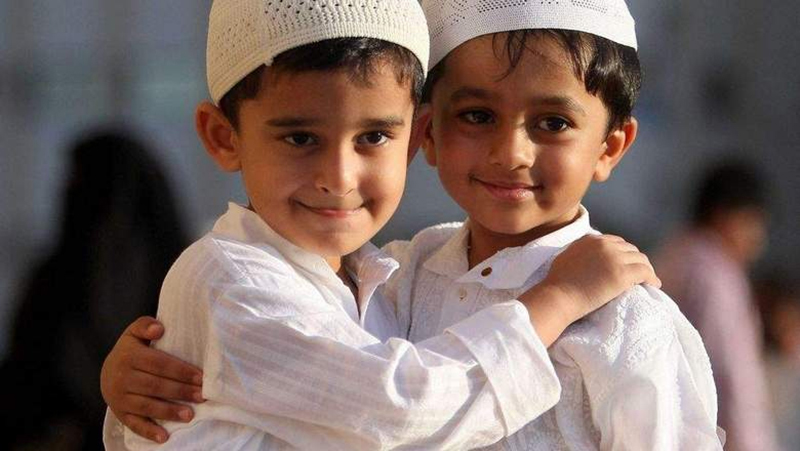
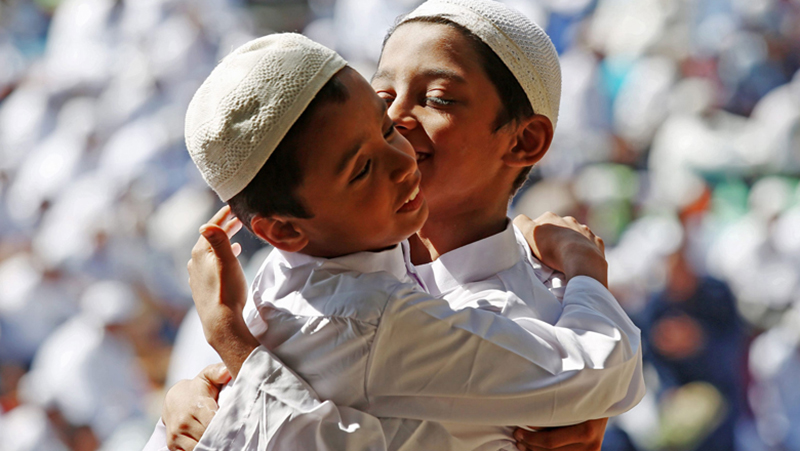
Eid ul Fitr — Late February / March (date shifts annually)
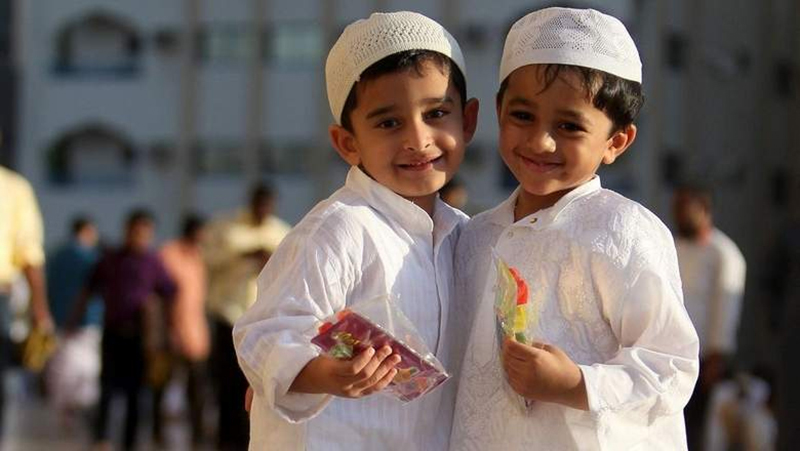
Eid ul Fitr marks the end of Ramadan, the Islamic month of fasting from dawn to dusk, prayer, and reflection. The first Eid was celebrated in 624 CE by the Prophet Muhammad and his companions in Medina, establishing it as one of the two great festivals of Islam.
Observed on the first day of Shawwal, confirmed each year by the sighting of the crescent moon, it arrives as a joyful reward after a month of discipline and devotion.
Across India, Sri Lanka, and Nepal, the day begins before sunrise with a ritual bath, something sweet like dates, and communal prayers at mosques or open grounds. Families dress in new clothes, exchange gifts, and feast on dishes like seviyan, biryani, and haleem.
Zakat, the giving of charity to those in need, is an integral part of the occasion. In Sri Lanka, whose Muslim community traces roots to Arab traders from the 7th century, celebrations carry a distinctly coastal warmth.
For a visitor, Eid offers a rare glimpse into a world of extraordinary generosity and communal grace.
FESTIVAL ARCHIVE
December +-
November +-
October +-
September +-
August +-
July +-
June +-
May +-
April +-
March +-
February +-
January +-
Follow us on Instagram
@indiabycreative