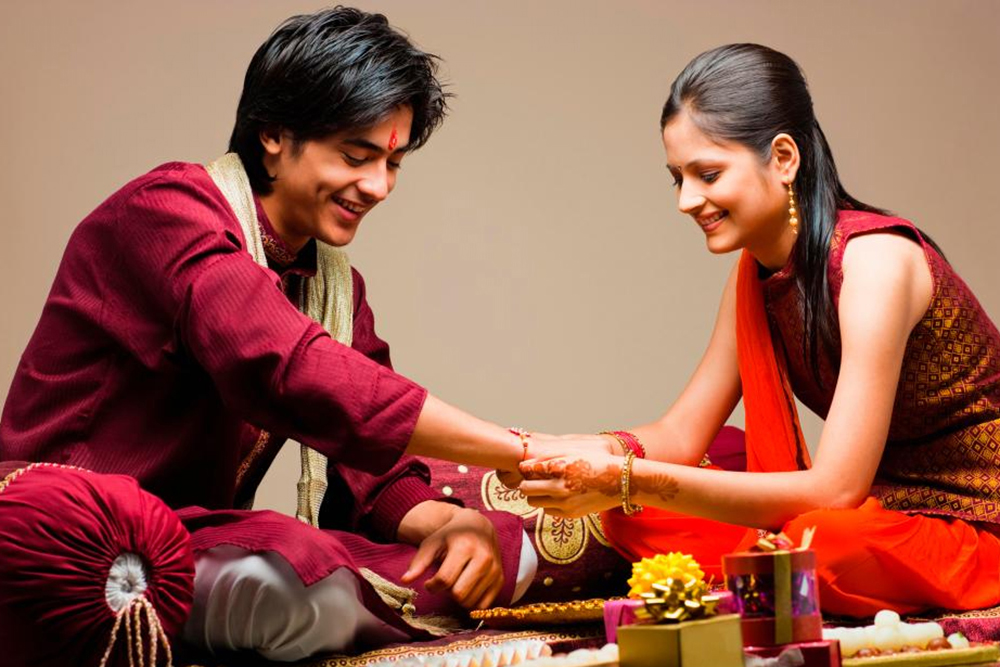
Raksha Bandhan — August
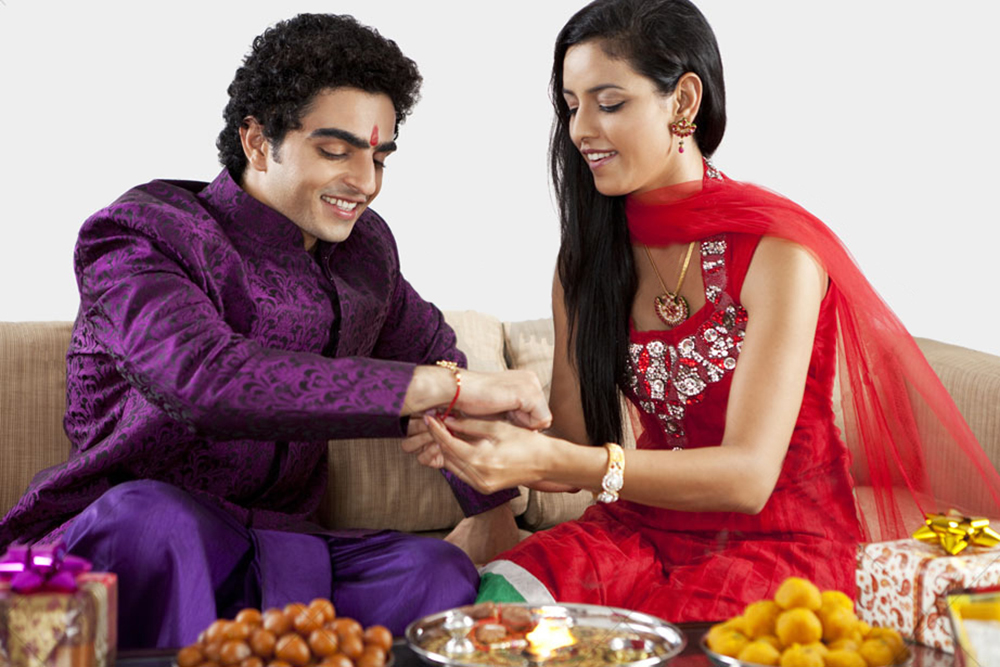
Few festivals wear their meaning as plainly as Raksha Bandhan, the Sanskrit name for “bond of protection.” Rooted in ancient Hindu texts and mythology, from the story of Draupadi tearing her saree to bandage Krishna’s wound, to the legend of Goddess Lakshmi tying a sacred thread on King Bali’s wrist, the festival has carried the same quiet promise across centuries: a thread, a vow, and a sibling who shows up.
Observed on the full moon of the Hindu month of Shravana, it is celebrated warmly across northern and western India and Nepal. Sisters prepare a ceremonial thali with a rakhi, sweets, and a lit diya, tie the thread on their brother’s wrist, and pray for his well-being.
Brothers offer gifts in return, pledging their protection. In Nepal, the day coincides with Janai Purnima, where Hindu men renew their sacred thread, and priests tie protective threads on the wrists of both Hindus and Buddhists.
For travellers, it is a rare and tender window into how love is ritualised.
FESTIVAL ARCHIVE
December +-
November +-
October +-
September +-
August +-
July +-
June +-
May +-
April +-
March +-
February +-
January +-
Follow us on Instagram
@indiabycreative